• A shepherd walks among the sheep of the flock
  • Wheels of Pecorino Romano on the shelves of the cellar
  • Fresh wheels of cheese in the dairy
  • A flock of sheep grazing on a Sardinian meadow
Pecorino DOP

Every wheel carries its own signature

Crown, seal, dairy code: on the rind of every PDO cheese there are the marks of who made it and who checks it. Here you learn to read them.

The story

The journey of Pecorino Romano

Two thousand years ago it fed the legions of the Empire. Then it crossed the sea. This is the road it took to reach your table with its name.

Drag the cards to scroll through the storySwipe the cards

Ancient RomeRome

The Colosseum at sunset
00 gper soldier, every day

The cheese of the legionaries

The legions of the Empire marched for weeks. They needed a food that was easy to digest, gave strength and kept well. Pecorino romano was perfect: a healthy energy bar! Every soldier received one ounce a day (27 grams), together with bread and spelt soup.

A recipe like this could not be lost.

1st centuryRome

The first written recipe

The agronomist Columella, in the 1st century AD, describes it in his De re rustica: sheep’s milk curdled with lamb rennet, pressed and salted. Two thousand years later, the product specification still requires the same rennet. It remains one of the oldest written records of the techniques for making pecorino cheese, considered the ancestor of modern Pecorino Romano DOP.

For centuries Romano stays in Rome. Then the city changes.

Pecorino on the grater, spaghetti and pepper

Late 19th centurySardinia

The flock on Sardinian land

The journey to the island

For reasons of hygiene and health, in 1884 the Mayor of Rome, Leopoldo Torlonia, signed a measure that banned the salting and aging of Pecorino Romano in back rooms and cellars or in the streets of the town. Roman producers and cheesemakers were forced to move production and cellars out of the city, and they moved in large numbers to Sardinia, which offered wide pastures, good milk and a strong farming and pastoral tradition. Pecorino Romano begins to be made on the island.

From there, it takes the ship to America.

A wheel of Pecorino Romano salted by hand

Early 20th centuryAmerica

The Statue of Liberty in New York harbor, early 20th century

Across the ocean

With the Italian emigrants, the taste of Pecorino Romano crosses the American borders and soon becomes well known and much appreciated. With fame come the attempts at imitation, which had very little to do with Italian milk and cheese.

The name had to be defended.

1979 · 1996Macomer

The rhombus of the Consortium on the side of the wheel

A protected name

In 1979, at the wish of a group of operators from Lazio and Sardinia, the Consortium for the Protection of Pecorino Romano is founded in Macomer, in the heart of the island. In 1996 the European Union recognizes the PDO: since then, only those who follow the product specification can call the product by that name.

And today?

TodayOristano

00%
  • Sardinia95%
  • Lazio and prov. of Grosseto5%
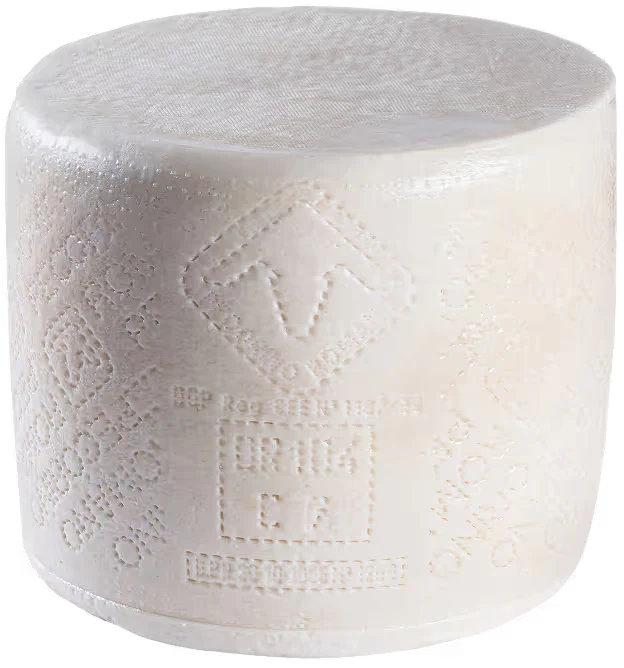
CAO’s dairy code OR 104 on the side of the wheel

Romano by name, made in Sardinia in fact

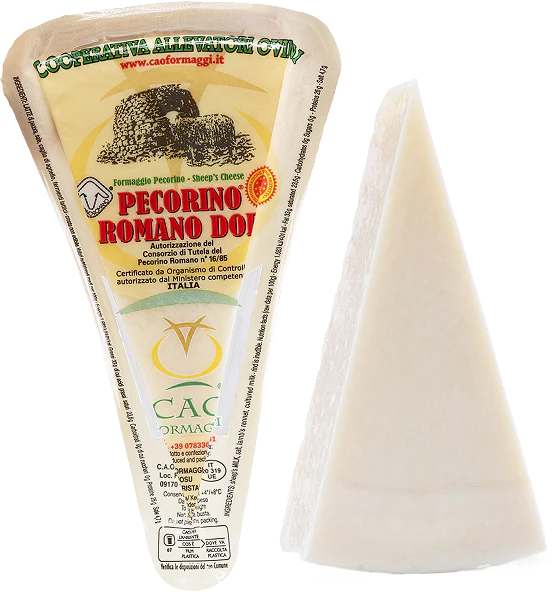
About 95% of Pecorino Romano is made in Sardinia. One of the dairies that produce the most is CAO’s, in Oristano. On the side of each of its wheels you find the dairy code OR 104.

How to recognize them

Our PDO cheeses, how to recognize them

Choose the cheese, then a mark: the wheel shows you where to look.

Pecorino Sardo Maturo DOP

Pecorino Sardo Maturo DOP

The same milk as Sardo Dolce is used, but the cheese ages for over two months. The rind goes from straw yellow to brown, the paste becomes compact and grainy, the taste full and flavorful, with notes of butter.

Area
Sardinia
Aging
Over 2 months
Weight
1.7–4 kg
Mark
Crown with logo and blue numbered label, PDO seal

Now you recognize them at a glance

The PDO is one more guarantee on pecorino. The European symbol, the mark of the Consortium and the mark of its producer: together they tell the origin, the quality and the protection of the cheese.

Co-funded by the European Union – EAFRD, Italian Republic, Autonomous Region of Sardinia, CSR Sardegna 2023-2027Co-funded by the European UnionPDO project

Initiative funded by the Rural Development Complement for the Region of Sardinia 2023-2027Body responsible for the information: Cooperativa Allevatori Ovini (C.A.O.) Società Cooperativa AgricolaRegional managing authority: Regione Sardegna - Direzione AdG FEASR

Co-funded by the European Union – EAFRD, Italian Republic, Autonomous Region of Sardinia, CSR Sardegna 2023-2027Co-funded by the European Union

The project · CSR Sardegna 2023-2027

“Alleviamo un sogno”

Pecorino Sardo P.D.O. and Pecorino Romano P.D.O.

A flock grazing in the Sardinian countryside

The project “Alleviamo un sogno” (Raising a dream) is dedicated to making Pecorino Sardo PDO and Pecorino Romano PDO known and valued in the European Union market, with a particular focus on France and Germany.

The initiative highlights the certified origin, the traceability and the distinctive features of the two products, enhancing their bond with Sardinia, the sheep supply chain and the region’s productive and culinary heritage.

The programme includes a multichannel information and promotion campaign, photo and video content, recipes and information materials, meetings with buyers and trade professionals, visits to the supply chain, presentation and tasting events, and participation in trade fairs in Italy and in other European Union countries.

Aims

To strengthen the awareness and recognition of Pecorino Sardo PDO and Pecorino Romano PDO, spread the value of the PDO certification and create opportunities to meet buyers, distributors and trade professionals. The project also aims to enhance the bond between products, territory and supply chain, helping to consolidate and diversify the target markets.

Expected results

  • Greater knowledge of the distinctive features of the two cheeses and of the guarantees offered by the PDO quality scheme.
  • Greater visibility of the products among trade operators and audiences in the target markets.
  • Spread of information and promotional content on the value of the products and their bond with the territory.

Initiative funded by the Rural Development Complement for the Region of Sardinia 2023-2027Body responsible for the information: Cooperativa Allevatori Ovini (C.A.O.) Società Cooperativa AgricolaRegional managing authority: Regione Sardegna - Direzione AdG FEASR